
Deep Cleaning a Microfiber Couch Without Damaging the Fabric
- Natalya
- May 14
- 4 min read

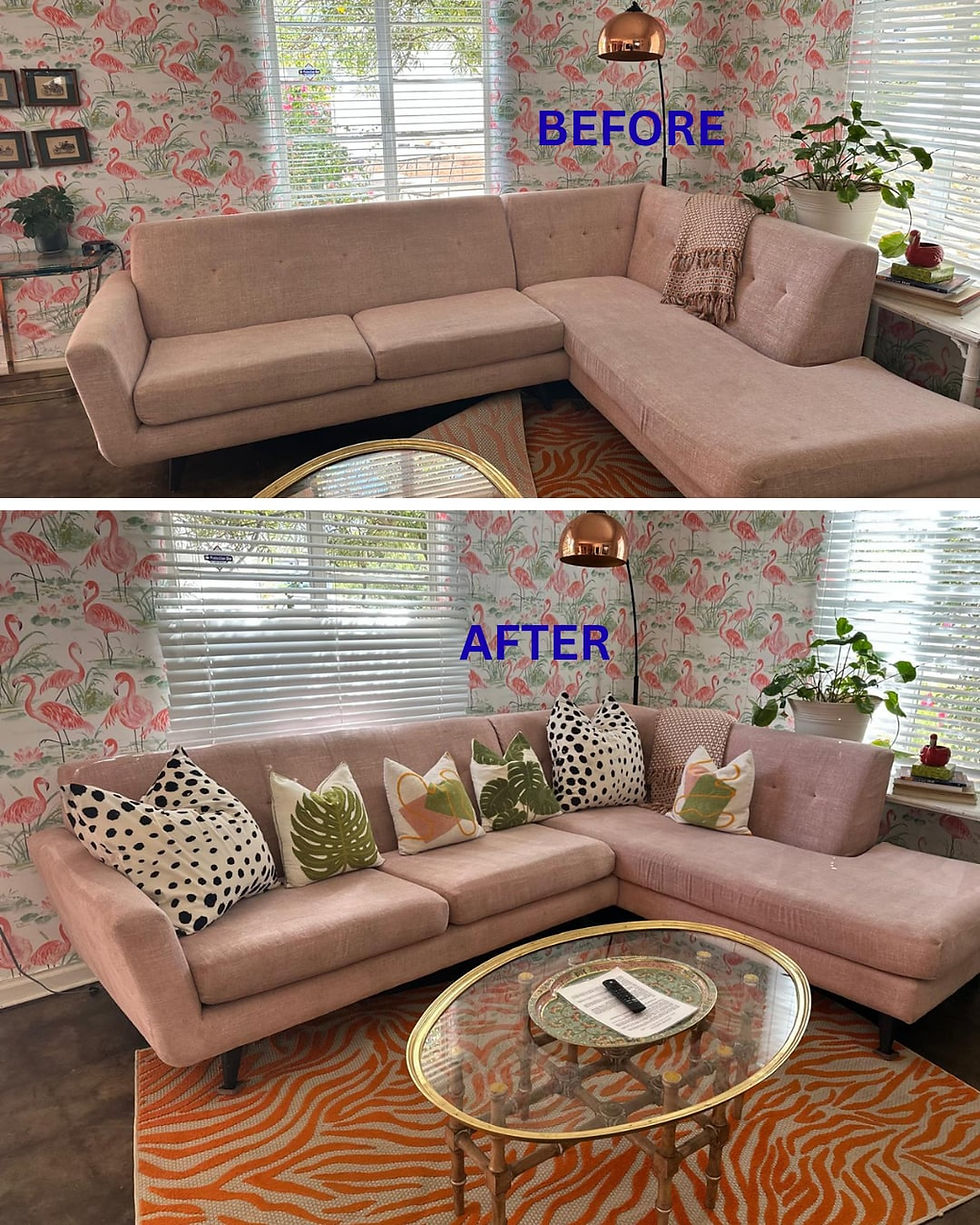
I got called out to a home in Goodyear, AZ for a microfiber couch that had reached the point where the homeowner was afraid to clean it again themselves. The fabric had darkened over time, there were visible areas of body oil buildup, and previous spot cleaning attempts had started leaving uneven areas across the cushions.
That’s one of the biggest concerns people have with microfiber furniture. Most homeowners know the fabric reacts differently than traditional upholstery, but they are not always sure why. By the time they start searching for professional cleaning, they’re usually worried the couch is either permanently damaged or too delicate to clean safely.
The good news is that microfiber couches can often be professionally restored very successfully, but the process has to be handled differently than standard upholstery cleaning.
Can Microfiber Couches Be Professionally Cleaned?
Yes, microfiber couches can absolutely be professionally cleaned, but the cleaning process has to be carefully controlled to avoid damaging the texture, leaving water marks, or creating uneven appearance issues across the fabric.
Microfiber is designed with extremely fine synthetic fibers that create a soft, uniform texture. Those fibers are excellent at trapping soil, oils, and residue, but they also react very noticeably to over-wetting, improper cleaning products, and aggressive scrubbing.
That’s why microfiber furniture often develops spotting, dark areas, or stiff sections after DIY cleaning attempts.
The key is not just removing the soil. It’s preserving the texture and consistency of the fabric at the same time.
Why Microfiber Gets So Dirty Over Time
Microfiber tends to attract and hold onto body oils more than many homeowners realize.
Arm rests, head rests, seat cushions, and frequently used areas slowly absorb oils from skin contact over time. Dust and dry soil then stick to those oils, which causes the fabric to darken gradually.
Because microfiber has such a dense fiber structure, much of this buildup settles below the visible surface instead of sitting on top like it would on smoother fabrics.
That’s why microfiber furniture often looks dull or uneven long before homeowners realize how much contamination is actually trapped in the fabric.
Why DIY Cleaning Often Creates Water Marks and Stiff Fabric
One of the biggest problems with microfiber is that improper moisture use changes how the fibers dry.
When too much water is used during spot cleaning, the moisture spreads outward through the fabric and can leave visible rings or uneven texture patterns once it dries. Some cleaning products also leave residue behind that stiffens the fabric and attracts more soil afterward.
Aggressive brushing can make the problem worse by distorting the nap of the fabric. Once the fibers start drying unevenly, sections of the couch can appear darker, rougher, or matted compared to surrounding areas.
That’s why many microfiber couches actually look worse after DIY cleaning attempts.
How Microfiber Is Safely Deep Cleaned
On this project, the process started with identifying the most heavily affected areas and evaluating how the fabric was responding to moisture and previous cleaning attempts.
A controlled upholstery cleaning solution was applied first to break down body oils, embedded soil, and residue within the microfiber fibers. The chemistry has to be balanced carefully because microfiber responds differently than natural fabrics.
Once the buildup was loosened, low-moisture extraction was used to remove the contamination while limiting over-saturation of the fabric. Moisture control is extremely important with microfiber because too much water increases the risk of spotting and texture distortion.
As the cleaning progressed, the darker areas started blending back into the surrounding fabric and the couch began returning to a more consistent appearance.
Why Grooming the Fabric Matters After Cleaning
One thing most homeowners don’t realize is that microfiber often needs post-cleaning grooming to restore its uniform texture.
As microfiber dries, the fibers can settle unevenly if they are not properly aligned. Grooming helps redistribute the nap evenly across the surface so the couch dries with a more consistent appearance and softer feel.
This is a major difference between professional microfiber cleaning and standard upholstery cleaning. It’s not just about removing dirt. It’s about restoring the look and feel of the fabric itself.
That step made a noticeable difference on this couch once the cleaning was complete.
Why Low Moisture Cleaning Is Important for Microfiber
Over-wetting is one of the fastest ways to create problems with microfiber furniture.
Excess moisture can:
create drying rings
distort texture
cause uneven appearance
extend dry times
increase residue problems
That’s why controlled low-moisture cleaning methods are so important. The goal is to remove contamination while keeping the fabric stable throughout the process.
This approach allows the couch to dry faster and reduces the risk of the issues homeowners commonly experience after DIY cleaning.
Can Old Microfiber Furniture Be Restored Instead of Replaced?
In many cases, yes.
A lot of microfiber furniture that appears worn out is actually dealing with years of accumulated oils, residue, and compacted soil rather than permanent fabric damage.
Once that buildup is removed properly, the original color and texture often become much more visible again. The improvement can be dramatic, especially in heavily used seating areas.
This couch is a good example of that. The fabric initially looked heavily worn and uneven, but much of the issue turned out to be contamination buildup rather than permanent deterioration.
What This Means for Your Couch
If your microfiber couch looks dark, uneven, or stained, it does not automatically mean the furniture is ruined. In many cases, the fabric is reacting to years of buildup, improper spot cleaning, or moisture-related texture changes.
This project in Goodyear is a good example of how much difference the right process can make. Once the contamination was safely removed and the fabric was properly groomed, the couch looked significantly cleaner and more consistent without damaging the microfiber itself.
Understanding how microfiber behaves during cleaning is what ultimately determines whether the furniture is restored successfully or accidentally damaged further.


Comments