
Is It Safe to Clean Vintage Furniture?
- Natalya
- 2 days ago
- 4 min read
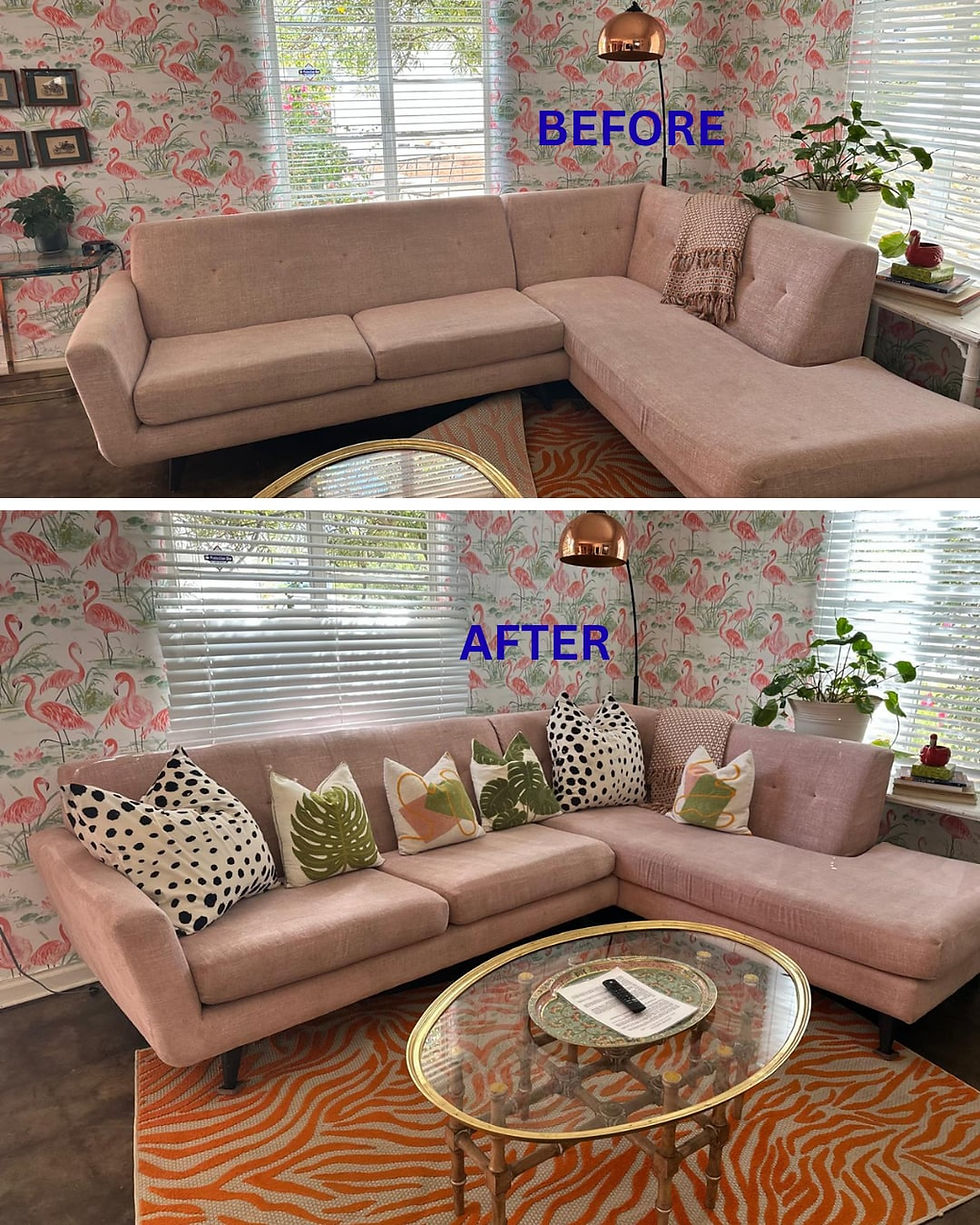
I got called out to a home in Surprise, AZ, in the Sun City Grand cul-de-sac for a mid-century modern sofa that the homeowner was hesitant to touch. The piece was a pink vintage couch that had clearly seen years of use, with visible soiling across the seating areas and arms. The concern wasn’t just about getting it clean, it was whether cleaning it at all would damage the fabric.
That hesitation is valid. Vintage furniture is not the same as modern upholstery, and cleaning it the wrong way can cause permanent issues. The short answer is yes, it can be safe to clean vintage furniture, but only if the process is adjusted to the fabric, the condition of the piece, and how the materials have aged over time.
Why Vintage Upholstery Is More Sensitive to Cleaning
Older furniture tends to react differently because the materials have changed over time. Fabrics can become more fragile, dyes can lose stability, and the backing materials may not respond well to moisture the way newer upholstery does.
Even if the piece looks structurally sound, years of use and environmental exposure can weaken fibers at a microscopic level. That means aggressive cleaning methods that might work on newer furniture can cause damage on older pieces, including color bleeding, distortion, or fiber breakdown.
This is why vintage upholstery requires a more controlled approach from the very beginning.
What Can Go Wrong When Vintage Furniture Is Cleaned Incorrectly
One of the biggest risks is over-wetting the fabric. Excess moisture can lead to uneven drying, water marks, or changes in texture. On a light-colored piece like this sofa, even slight inconsistencies in moisture can leave visible patterns that are difficult to correct.
Another issue is dye instability. Some older fabrics are more prone to color bleeding when exposed to certain cleaning agents or too much agitation. Once dye movement occurs, it cannot be reversed, which is why testing is critical before any full cleaning begins.
Using the wrong cleaning products can also cause problems. Harsh chemicals or inappropriate solutions can weaken fibers or leave behind residue that affects the look and feel of the fabric.
Why Fabric Testing Comes First
Before any cleaning is done, the fabric has to be evaluated and tested. This step determines how the material reacts to moisture, cleaning agents, and agitation. It also helps identify whether the dyes are stable and whether the fabric can handle deeper cleaning.
On this sofa, testing was essential because of the color and age of the material. The goal was not just to remove soil, but to do it in a way that preserved the integrity of the piece. Without testing, there is no way to predict how the fabric will respond, and that is where most damage occurs.
The Controlled Cleaning Process Used on This Sofa
Cleaning vintage upholstery is about control at every stage. The process begins with removing as much dry soil as possible, which reduces the amount of moisture needed later and lowers the risk of over-saturation.
Once that is done, a carefully selected cleaning solution is applied in a controlled manner. The solution is allowed to work on the soil without being rushed, which helps break down the buildup without requiring aggressive agitation.
Moisture is introduced gradually and managed throughout the process to prevent over-wetting. This is one of the most important differences between standard cleaning and vintage upholstery cleaning, because it directly affects how the fabric dries and how the final result looks.
Extraction is then used to remove the loosened material, ensuring that soil and residue are not left behind in the fibers. This step is what separates surface cleaning from actual restoration, especially on older pieces where buildup has accumulated over time.
What Changed After Cleaning
On this project, the improvement was clear once the soil was removed. The color of the fabric became more even, and the dull, worn appearance was replaced with a cleaner, more consistent look.
What stood out most was that the sofa itself had not been damaged by the process. The texture remained intact, the color stayed stable, and the piece retained its original character. That balance is what defines a successful vintage cleaning job.
When Vintage Furniture Should Not Be Cleaned
There are situations where cleaning is not the best option. If the fabric is extremely fragile, heavily deteriorated, or has unstable dyes that react during testing, the risk may outweigh the benefit.
In those cases, alternative approaches may be needed, or the piece may be better left as-is to preserve its condition. Understanding those limits is part of what makes vintage furniture cleaning different from standard upholstery work.
What This Means for Your Furniture
If you have vintage furniture that needs attention, the most important thing is not rushing into a cleaning method without understanding the material. These pieces can often be improved significantly, but they require a process that is tailored to their condition.
This project is a good example of how a careful approach can restore appearance without compromising the integrity of the fabric. What looked risky at first turned out to be manageable with the right steps in place.
Knowing that difference is what allows you to make the right decision for your furniture.


Comments