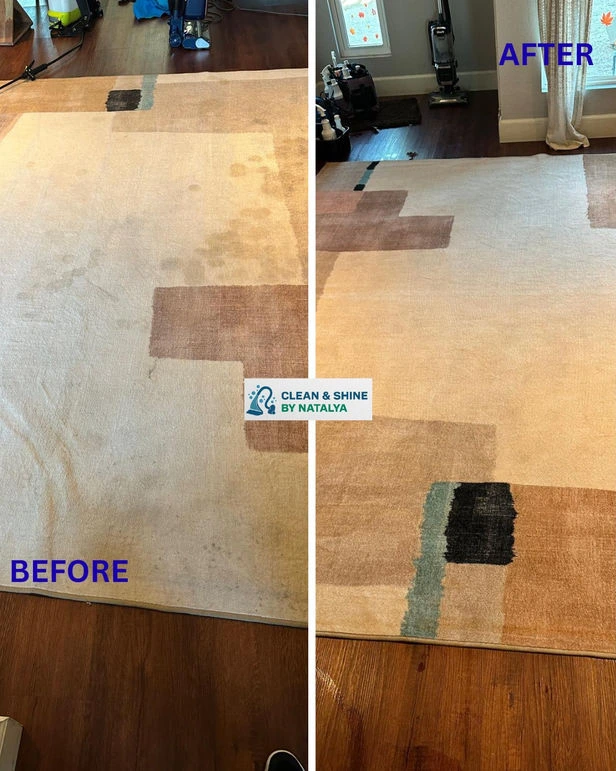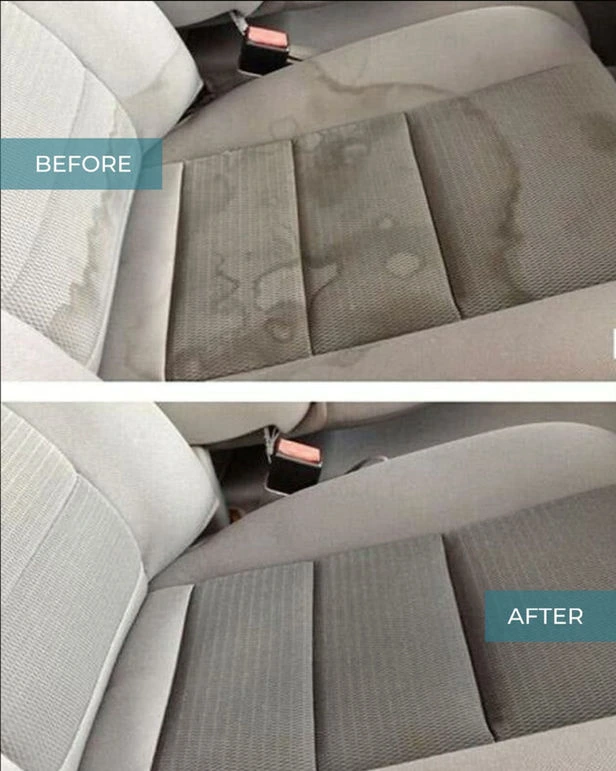
How to Clean Carpet at Home Without Water Stains in 2026
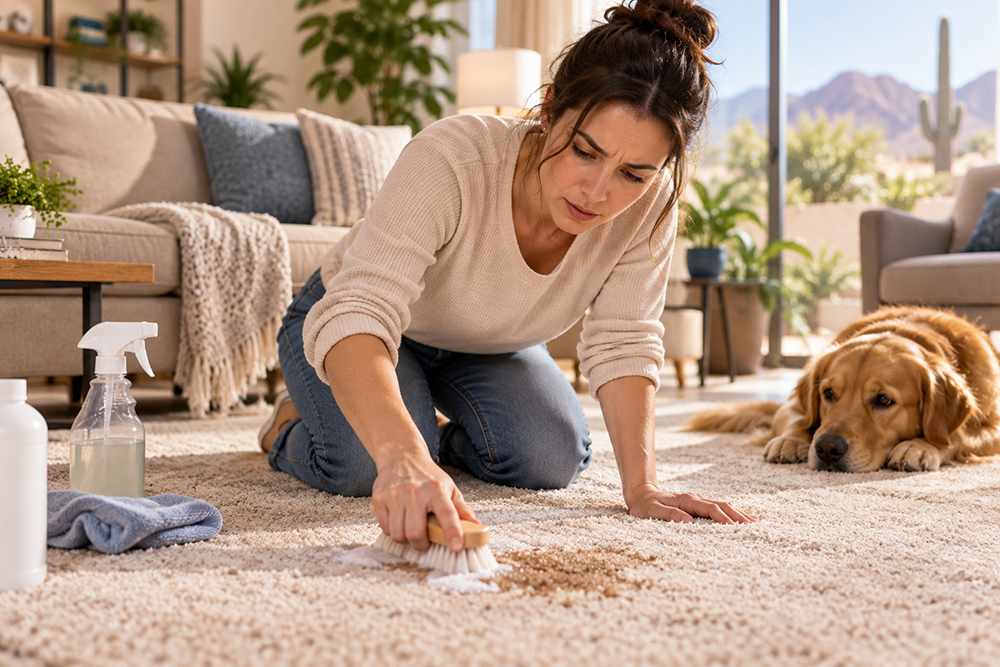
Your carpet looks dirty. Maybe the living room has developed dark traffic lanes, your dog left muddy footprints after a walk, or a coffee spill has become a permanent-looking reminder of yesterday morning.
You decide to clean it yourself. You rent a carpet cleaner, buy a bottle of shampoo, spend an afternoon scrubbing, and wait for everything to dry.
The next morning, something frustrating happens. The carpet looks worse. Gray streaks have appeared, the original stain has returned, or the entire room smells slightly musty.
What went wrong? In many cases, the problem isn’t that you used the wrong cleaning product — it’s that too much moisture or cleaning residue remained in the carpet.
For homeowners in Phoenix, Arizona, carpet care presents additional challenges. Fine desert dust, sand, high foot traffic, and seasonal monsoon conditions can make maintaining clean carpets more complicated than expected.
This 2026 guide from Clean & Shine AZ explains how to clean carpets at home, avoid common mistakes, choose appropriate methods for different carpet materials, and recognize when it’s time to call a professional.
Not in the mood to DIY it? Let the pros handle it.
1. Why Does Carpet Look Dirty Again After Cleaning?
One of the most common complaints after DIY carpet cleaning is that stains return within a day or two. There are several possible explanations, but two are particularly important.
Problem #1: Detergent residue attracts new dirt
Carpet shampoos contain cleaning agents designed to loosen oils and soil. When too much detergent is used or the product isn’t adequately removed, residue may remain on the carpet fibers. That residue can attract new dirt, making the carpet look dirty again relatively quickly.
You might notice:
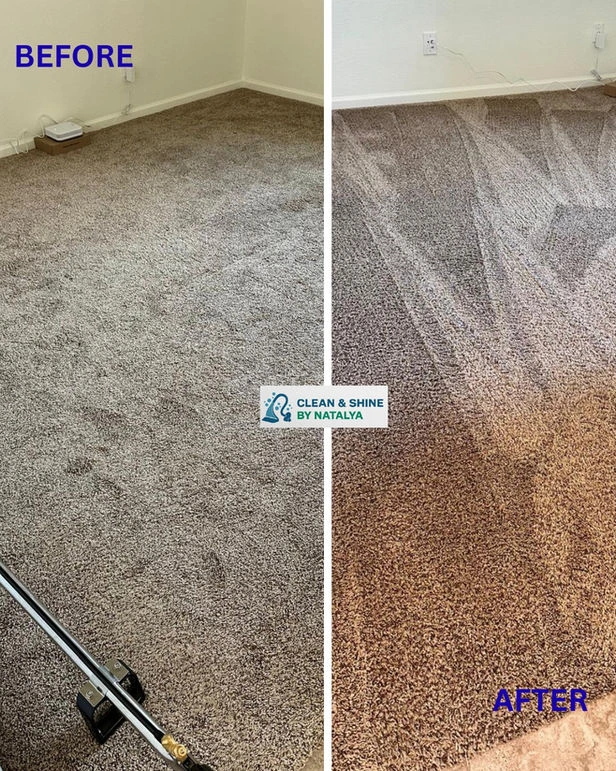
- Dark streaks where the cleaning machine traveled.
- Sticky or stiff carpet fibers.
- Dirt accumulating in recently cleaned areas.
- Uneven discoloration.
The solution: Follow the product’s dilution instructions, avoid unnecessary detergent, and use appropriate extraction or rinsing when recommended by the carpet manufacturer. Adding more shampoo rarely solves a residue problem.
Problem #2: Wicking brings hidden stains back to the surface
Wicking occurs when moisture and dissolved soil move upward through carpet fibers as the carpet dries. Imagine spilling coffee on your carpet — you clean the visible stain, but some coffee remains deeper in the carpet or backing. During drying, moisture can carry the remaining contamination toward the surface, and the stain reappears, sometimes larger than before.
This problem is especially common when carpets have been heavily saturated.
The solution: Avoid soaking the carpet, extract as much moisture as possible, and address the original source of the stain. If contamination has reached the carpet padding, surface cleaning alone may not be sufficient.
2. Why Carpet Cleaning Is Different in Phoenix, Arizona
Phoenix homeowners face several environmental challenges that influence how quickly carpets become dirty.
Fine desert dust
Arizona’s desert environment produces fine dust that can enter homes through doors, windows, ventilation systems, and everyday foot traffic. Unlike larger debris, fine dust may settle deep between carpet fibers. When combined with moisture during cleaning, accumulated dust can become muddy residue — which is why thorough vacuuming before wet cleaning is particularly important in Phoenix.
Sand and abrasive particles
Sand tracked indoors from driveways, landscaping, hiking trails, and outdoor recreation can contribute to carpet wear. Repeated foot traffic presses abrasive particles against the fibers, and over time this can make heavily used areas appear dull or worn. Cleaning can remove soil, but it cannot reverse permanent fiber damage.
Monsoon season
Phoenix’s summer monsoon season can introduce additional dirt and moisture into homes. Dust storms may deposit substantial amounts of fine particles, while rain can create muddy footprints. Humidity also varies throughout the season — so although Phoenix is generally associated with dry weather, homeowners should not assume a wet carpet will always dry quickly. Indoor humidity, air conditioning, ventilation, carpet thickness, and the amount of water used all affect drying time.
Air conditioning and closed windows
During extremely hot weather, Phoenix residents often keep windows closed and rely on air conditioning, which makes indoor airflow an important part of carpet drying. A room with little air circulation may retain moisture longer than expected.
The practical lesson is simple: Phoenix’s dry climate is not a substitute for proper water extraction and ventilation.
3. Know Your Carpet Material Before You Start
Not every carpet can be cleaned using the same method. A cleaning solution that works well on one synthetic carpet could permanently damage a delicate natural-fiber rug. Before applying water or chemicals, check the manufacturer’s care instructions and identify the fiber and backing whenever possible.
Nylon
Nylon is commonly used in residential carpeting. It is generally durable, but its dyes and finishes can be affected by unsuitable chemicals. Use products approved for the carpet and avoid chlorine bleach unless the manufacturer explicitly permits it.
Polyester
Polyester is popular because of its softness and stain-resistant properties. However, oily soils can be difficult to remove. Avoid aggressive scrubbing, which may distort the pile.
Polypropylene (Olefin)
Polypropylene generally resists many water-based stains. Nevertheless, it can be sensitive to excessive heat and may retain oily soils. Do not assume every polypropylene carpet can tolerate steam or very hot water.
Wool
Wool requires more careful handling. Excessive moisture, high temperatures, aggressive agitation, and unsuitable alkaline products can cause problems such as shrinkage, color bleeding, or texture changes. Choose wool-approved products and follow the manufacturer’s cleaning instructions.
Viscose and silk
Viscose and silk rugs are particularly vulnerable to inappropriate wet cleaning. Water can cause discoloration, texture changes, distortion, or permanent damage. For valuable rugs made from these fibers, consult a qualified rug-cleaning specialist rather than experimenting with household solutions.
Important: Never use a burn test on your carpet. Some online guides recommend burning a carpet fiber to identify its material — this is unnecessary and potentially dangerous. It can damage the carpet, create hazardous fumes, and still produce an unreliable identification. Check the label, purchase documentation, or ask a qualified carpet professional instead.
4. Six Carpet Cleaning Methods Compared: DIY vs. Professional
The most appropriate method depends on your carpet material, the type of contamination, and the equipment available. The following costs are approximate U.S. budgeting estimates for 2026 — they are not guaranteed local quotes.
| Method | Estimated Cost | Best For | Main Limitation |
|---|---|---|---|
| Regular vacuuming | $0–$300 equipment | Dust and loose debris | Doesn’t remove embedded stains |
| Spot cleaning | $10–$30 supplies | Small, fresh stains | Risk of residue or discoloration |
| Dry carpet compound | $20–$60 supplies | Compatible carpets needing light maintenance | Limited deep cleaning |
| Rental carpet extractor | $40–$100 rental and supplies | Larger DIY cleaning jobs | Overwetting and residue risks |
| Professional carpet cleaning | $120–$250 for a typical multiroom job | General deep cleaning | Higher upfront cost |
| Specialized rug cleaning | $2–$8+ per sq. ft. | Rugs requiring specialized care | Requires material-specific assessment |
Actual prices depend on location, minimum service charges, carpet condition, room size, material, and required treatments. Specialty stain removal, urine treatment, furniture moving, and heavily soiled areas may cost extra. For a job that goes beyond routine maintenance, a professional carpet cleaning visit is often the more time-efficient option.
5. How to Clean Carpet at Home Without Leaving Water Marks
If your carpet is suitable for wet cleaning, follow this practical process.
Step 1: Vacuum thoroughly
Never begin wet cleaning without removing loose dirt. In Phoenix, this is especially important because fine desert dust can turn into muddy residue when mixed with water. Vacuum slowly and make several passes in different directions where appropriate for the pile. Pay particular attention to:
- Entryways.
- Hallways.
- Areas around sofas.
- Children’s play areas.
- Pet resting spots.
Use a vacuum attachment suitable for your carpet material. Delicate rugs may require suction-only cleaning rather than a rotating brush.
Step 2: Inspect the carpet
Look for stains, discoloration, worn areas, loose seams, and signs of previous damage. Identify whether stains are concentrated in one area or spread throughout the room. If the carpet is already damaged, wet cleaning may make existing problems more noticeable.
Step 3: Test the cleaning product
Choose an inconspicuous location, such as an area normally covered by furniture. Follow the product instructions and test for color transfer or changes in texture. Allow the test area to dry completely before proceeding. If you notice discoloration, bleeding, stiffening, or distortion, stop. A successful spot test reduces risk but does not guarantee that the entire carpet will respond identically.
Step 4: Use the correct amount of detergent
More detergent does not mean better cleaning. Excess shampoo may leave residue that attracts soil. Use only the concentration recommended by the product and equipment manufacturers. Never mix cleaning chemicals.
Step 5: Clean small sections
Work methodically rather than soaking the entire room. A practical approach is to divide the carpet into manageable sections and overlap cleaning passes according to the machine instructions. Avoid repeatedly spraying the same area — the goal is to loosen and remove soil without saturating the backing or padding.
Step 6: Extract moisture
This is one of the most important steps. If you’re using an extraction machine, make additional suction-only passes when recommended by its manufacturer. The goal is to remove as much of the applied cleaning solution as practical. Do not add more water simply because the carpet still looks damp.
Step 7: Dry the carpet properly
Improve airflow with fans and your home’s air conditioning or dehumidification system as appropriate. In Phoenix, opening windows may help under suitable outdoor conditions, but during dust storms, extreme heat, or humid monsoon weather, keeping windows closed may be preferable. Avoid placing furniture back on damp carpet, and check that the carpet and underlying materials have dried, not just the surface fibers.
Drying time varies substantially with the method, moisture level, airflow, and carpet construction. If the carpet remains unusually wet, develops an odor, or shows signs of moisture reaching the flooring beneath it, seek professional advice promptly.
Request a Carpet Cleaning Quote →
6. How to Remove Common Carpet Stains at Home
Different stains require different treatments. A universal cleaning solution is not appropriate for every situation.
Coffee stains
Act quickly. Blot the liquid with a clean white cloth or paper towel. Work gently from the outside toward the center to limit spreading. Use a carpet-compatible stain remover according to its instructions and avoid excessive water. If the stain returns after drying, contamination may remain deeper in the carpet.
Red wine
Blot immediately without rubbing. Use a stain remover specifically approved for your carpet fiber and the type of stain. Avoid experimenting with bleach, peroxide, or homemade mixtures on colored carpets — these products can permanently alter dyes.
Grease and oily stains
Remove any solid material carefully without spreading it. Blot excess oil and use a carpet-safe product formulated for oily stains. Avoid applying large amounts of water before removing surface contamination. Persistent oily stains may require professional treatment.
Muddy footprints
Allow ordinary mud to dry before vacuuming, provided it does not contain hazardous contamination. Trying to scrub wet mud can spread it across a larger area. Once the loose material is removed, treat remaining discoloration with an appropriate carpet cleaner. This is particularly useful during Phoenix’s monsoon season.
Pet urine
Fresh pet accidents require immediate attention. Blot the affected area with absorbent material. Use a pet-urine treatment compatible with your carpet and follow the label instructions. Avoid ammonia-based cleaners and never mix cleaning chemicals.
If urine has penetrated the padding or subfloor, surface treatment may not eliminate the odor. Repeatedly soaking the area can make the problem worse. For persistent contamination, professional inspection may be necessary.
7. Five DIY Carpet Cleaning Mistakes That Can Cost You Money
Mistake #1: Using too much water
Excessive moisture may reach the backing, padding, or subfloor. Potential consequences include prolonged drying, recurring stains, odor, and damage to moisture-sensitive materials. Use equipment and techniques that control water application and remove moisture effectively.
Mistake #2: Scrubbing aggressively
Hard scrubbing can distort fibers, spread stains, and damage the carpet’s appearance. Blot spills rather than rubbing them, and use only agitation methods approved for the carpet.
Mistake #3: Using baking soda as a universal cleaner
Baking soda is frequently promoted online as a solution for virtually every carpet problem. However, it is not a substitute for proper cleaning. Fine powder may be difficult to remove completely, and residue can accumulate in the carpet or vacuum. Its suitability also depends on the carpet material and manufacturer’s instructions — avoid applying it indiscriminately, especially to valuable or delicate rugs.
Mistake #4: Using excessive heat
Very hot water or steam can damage certain fibers, adhesives, dyes, or backing materials. Always follow the carpet manufacturer’s temperature recommendations.
Mistake #5: Ignoring drying conditions
A carpet may feel dry on top while the backing or padding remains damp. This is particularly important for wall-to-wall carpeting installed over padding. Adequate extraction and airflow matter more than simply waiting a predetermined number of hours.
8. Can You Clean Wall-to-Wall Carpet Yourself?
Yes, many residential wall-to-wall carpets can be cleaned with appropriate home equipment. However, they require particular care because the carpet cannot be removed for drying. Water that penetrates the backing may reach the padding or subfloor.
Unlike a removable area rug, wall-to-wall carpeting generally cannot be lifted and dried from both sides without disturbing the installation. For small stains, controlled spot cleaning may be sufficient. For large areas, heavy soil, or persistent odors, professional extraction may be more practical.
Homeowners should also consider whether the carpet has a moisture-sensitive backing, whether it was installed with adhesive, and whether the underlying floor is wood or another material susceptible to water damage. If you don’t know the construction of your flooring, avoid saturating it.
9. How Much Does Carpet Cleaning Cost in Phoenix in 2026?
One of the biggest questions homeowners ask is whether renting a machine actually saves money. The answer depends on the size of the job, the condition of the carpet, and how frequently cleaning is needed.
DIY carpet cleaning costs
| Expense | Estimated Cost |
|---|---|
| Carpet spot remover | $10–$25 |
| Carpet shampoo | $15–$30 |
| Rental machine | $30–$60 per day |
| Additional rental supplies | $10–$40 |
| Consumer carpet cleaner purchase | $150–$400+ |
A DIY cleaning project using a rental machine may cost approximately $40–$100 or more before accounting for your time. These estimates vary by retailer and equipment.
Professional carpet cleaning costs in Phoenix
| Service | Approximate Price |
|---|---|
| Small room | $40–$75 |
| Three standard rooms | $120–$200 |
| Five standard rooms | $180–$350 |
| Hallway | $20–$50 |
| Stairs | $40–$100 |
| Specialty stain treatment | $20–$75+ |
| Pet urine treatment | $50–$150+ |
These are illustrative estimates rather than verified market averages or guaranteed Clean & Shine AZ prices. Minimum charges, room-size limits, condition, and treatment requirements can change the final quote.
For an accurate price, request an estimate that clearly identifies what is included. Ask whether the quote covers pretreatment, extraction, spot treatment, deodorizing, and any additional fees.
Is DIY actually cheaper?
Consider a three-room home. A rental machine might cost $50, with another $25 for cleaning products — your direct expense would be approximately $75. A professional service might cost $150 for a comparable basic job, depending on the company and service conditions. The difference is $75.
But professional cleaning may also save several hours of labor and provide equipment better suited to extracting soil and moisture. That doesn’t mean professional service is always necessary — for a fresh, minor stain on a compatible carpet, DIY treatment may be entirely reasonable. For an entire home with heavy soil, repeated stains, or pet contamination, professional assessment can be worth considering.
10. When Should You Call a Professional Carpet Cleaner?
DIY cleaning has its limits. Here are situations where professional help becomes particularly valuable.
The stain keeps returning
Recurring stains may indicate contamination deeper in the carpet. A professional can inspect the affected area and determine whether extraction or additional treatment is appropriate.
Your carpet smells bad after cleaning
Persistent odor may indicate retained moisture, cleaning residue, or contamination beneath the surface. If there is suspected mold or water damage, ordinary carpet cleaning may not be sufficient; appropriate moisture remediation or material replacement could be necessary.
Pet urine has reached the padding
When urine penetrates the carpet backing, cleaning the surface alone may not resolve the problem. Specialized treatment, padding replacement, or other corrective work may be needed. No reputable cleaner should guarantee complete odor removal without evaluating the contamination.
You have expensive wool, silk, or viscose rugs
These materials require specialized knowledge. Improper cleaning can cause irreversible damage. For delicate or valuable area rugs, choose a qualified specialist experienced with the specific material and construction.
Large areas are heavily soiled
If several rooms have visible traffic lanes or accumulated dirt, professional equipment can make the process more manageable. However, permanent fiber wear and discoloration cannot always be corrected through cleaning.
You’re preparing to sell or rent your home
Professional carpet cleaning may improve presentation before listing a property or preparing it for new occupants. For rental properties, review the lease and applicable requirements rather than assuming professional cleaning is mandatory.
11. How Often Should Phoenix Homeowners Clean Their Carpets?
There is no single cleaning schedule suitable for every home. Frequency depends on carpet construction, manufacturer guidance, household activity, pets, and the amount of soil entering the property. As a general planning guide:
| Household | Suggested Professional Cleaning Interval |
|---|---|
| Low-traffic household | Approximately 12–18 months |
| Family with children | Approximately 6–12 months |
| Household with pets | Approximately 6–12 months, or as needed |
| Heavy traffic | Approximately 3–6 months, depending on conditions |
These are general maintenance suggestions, not universal requirements. Follow the carpet manufacturer’s care instructions, particularly when warranty conditions specify cleaning methods or intervals. In Phoenix, homes near construction sites, busy roads, or dusty landscaping may need more frequent vacuuming and periodic deep cleaning.
12. How to Keep Your Carpet Cleaner Between Deep Cleanings
Preventive maintenance can reduce the amount of soil that accumulates in your carpet.
- Use entry mats. Place durable mats at exterior doors to capture sand and dust before they enter the home.
- Remove outdoor shoes. Shoes can carry abrasive particles directly onto carpet fibers.
- Vacuum consistently. High-traffic areas generally require more frequent attention than guest bedrooms.
- Maintain HVAC filters. Follow your system manufacturer’s recommendations for filter replacement and maintenance.
- Address spills immediately. Fresh spills are generally easier to treat than old, set-in stains.
- Keep pets’ paws clean. Wiping paws after outdoor walks can reduce tracked-in soil, particularly during monsoon season.
- Avoid unnecessary moisture. Use controlled cleaning methods and allow carpets to dry thoroughly.
These habits are particularly valuable in the Phoenix metropolitan area, where outdoor dust can enter homes throughout the year. The same logic applies to fabric furniture — regular upholstery cleaning keeps sofas and chairs from becoming a second source of trapped dust and allergens.
13. Professional Carpet Cleaning in Phoenix: How Clean & Shine AZ Can Help
Sometimes, maintaining your carpet requires more than a household vacuum and a bottle of spot remover. When carpets develop stubborn stains, heavy traffic lanes, or persistent odors, professional assessment can help determine the appropriate cleaning approach.
Clean & Shine AZ serves homeowners seeking professional carpet care in the Phoenix area. Our goal is to help customers understand their cleaning options and choose a service suited to their carpet’s condition.
Whether you’re dealing with accumulated desert dust, everyday spills, or carpets that haven’t received a deep cleaning in years, the first step is understanding the material and the nature of the problem.
Need a professional opinion or a carpet cleaning quote?
You can also explore our professional carpet cleaning services in Phoenix for additional information.
Frequently Asked Questions
Can I clean my carpet without a machine?
Yes. Vacuuming and carefully treating small stains can be effective for routine maintenance. Deeply embedded soil may require extraction or another manufacturer-approved cleaning method.
What is the best homemade carpet cleaning solution?
There is no universal homemade solution suitable for every carpet. A product approved for your specific fiber and stain type is generally a safer choice than experimenting with chemical mixtures.
Why does my carpet smell worse after shampooing?
Possible causes include excessive moisture, retained detergent, or contamination in the backing or padding. Persistent odors should be investigated rather than covered with fragrance.
How long does carpet take to dry in Phoenix?
Drying time depends on the cleaning method, moisture level, carpet construction, indoor humidity, and airflow. Some carpets dry within several hours, while others take considerably longer. Do not rely on Phoenix’s outdoor climate alone.
Does professional carpet cleaning remove every stain?
No. Results depend on the carpet material, stain chemistry, age, previous cleaning attempts, and whether permanent damage has occurred.
Is professional cleaning better than renting a carpet cleaner?
Both have advantages. Rental machines may be suitable for compatible carpets and manageable DIY projects. Professional services can be useful for larger jobs, difficult stains, and situations requiring specialized equipment or expertise.
Can I walk on my carpet immediately after cleaning?
Follow the cleaner’s or equipment manufacturer’s instructions. Avoid heavy traffic and placing furniture on damp carpet until the carpet has dried sufficiently.
Should I replace carpet that has persistent pet urine odor?
Not necessarily. A professional assessment can help determine whether cleaning or targeted treatment is likely to work. Severe contamination of padding or subflooring may require replacement of affected materials.
Final Thoughts: Clean Smarter, Not Harder
The secret to successful DIY carpet cleaning isn’t using more shampoo, hotter water, or a stronger brush. It’s understanding your carpet, selecting an appropriate method, removing soil effectively, and controlling moisture.
For Phoenix homeowners, thorough dry soil removal is particularly important because desert dust and sand can accumulate quickly. Routine vacuuming, careful spot treatment, and occasional deep cleaning can help maintain your carpet’s appearance.
When stains keep returning, odors persist, or large areas need attention, professional carpet cleaning may be the more practical solution.
Clean & Shine AZ is here when your carpet needs more than everyday maintenance.
Ready for spotless carpets?
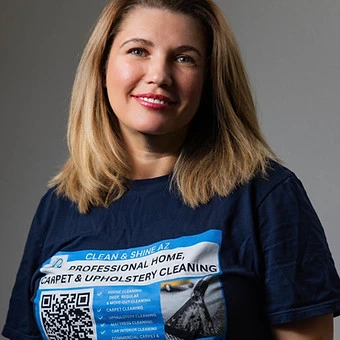
Natalya Vasylyeva, owner of Clean & Shine AZ, will text you back with your quote within five minutes. If you need immediate assistance, please call or text.